What Kids Learn in a Hands-On STEM Afterschool Program
A look inside LWL’s Spring Science & STEM Lab at Jules Quesnel Elementary School and Pear Tree School, where students explored gravity, energy, the human body, rocks, minerals, and the water cycle through hands-on learning.
This spring, LWL brought our Curious Science & STEM Lab beyond our regular classroom and into off-site afterschool programs at local schools. Through videos, guided discussions, hands-on experiments, and science stories, students explored how the world works — from crystals and gravity to the human body, rocks, and the water cycle.
Our goal was simple: help children see science not as something they only read about, but as something they can observe, test, build, and explain.
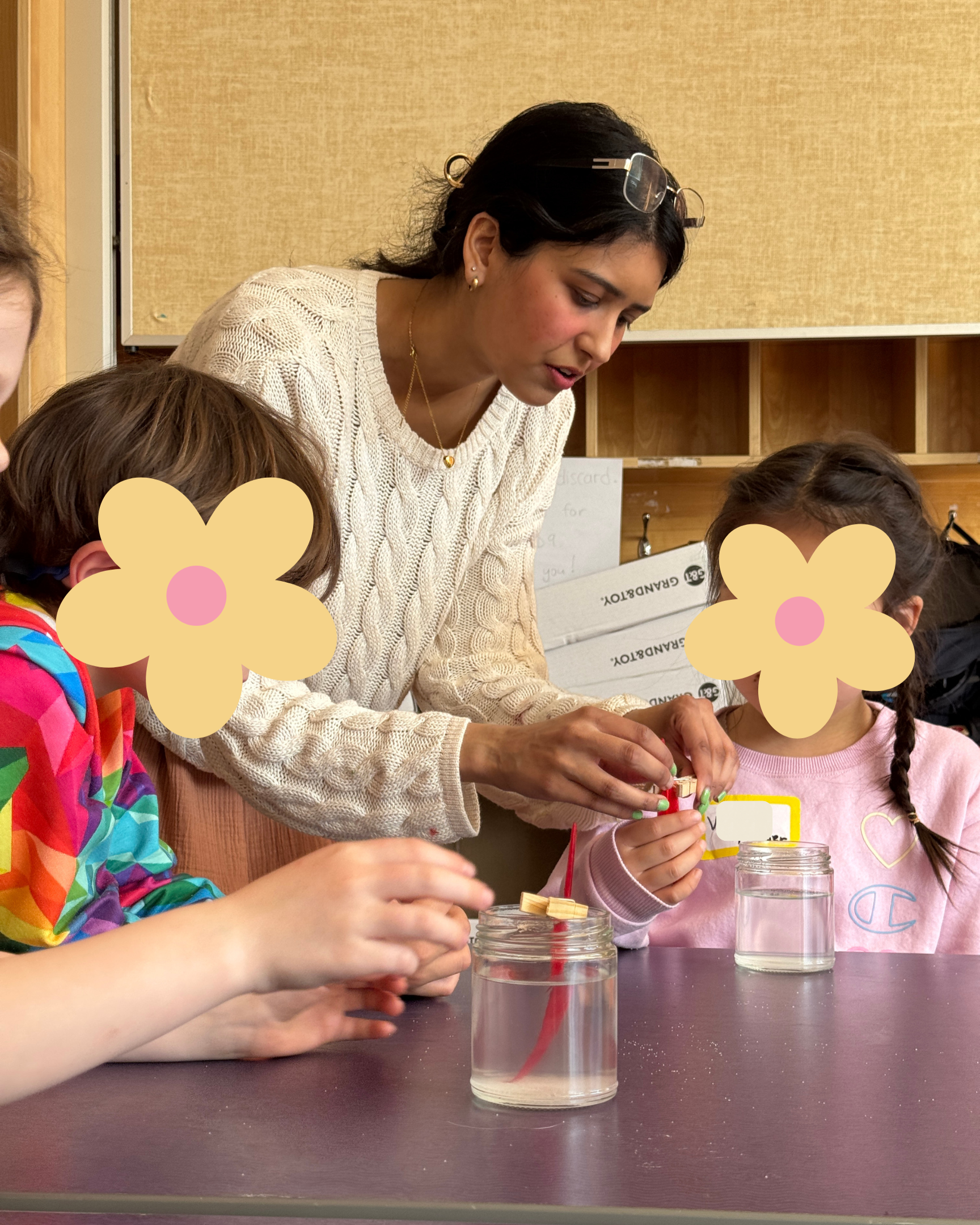
Young scientists learning through observation, questions, and hands-on discovery.
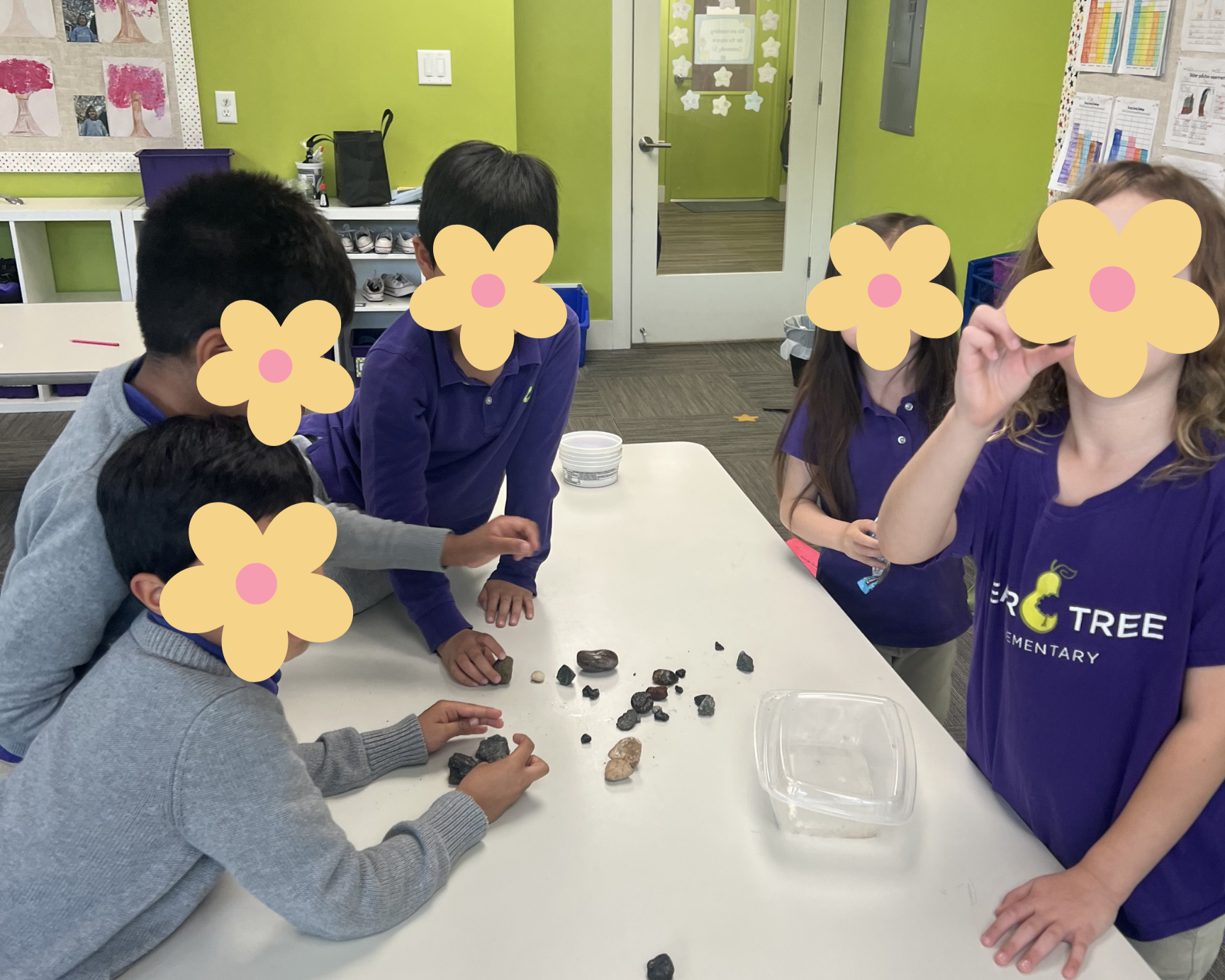
STEM learning in action — teamwork, curiosity, and problem-solving.
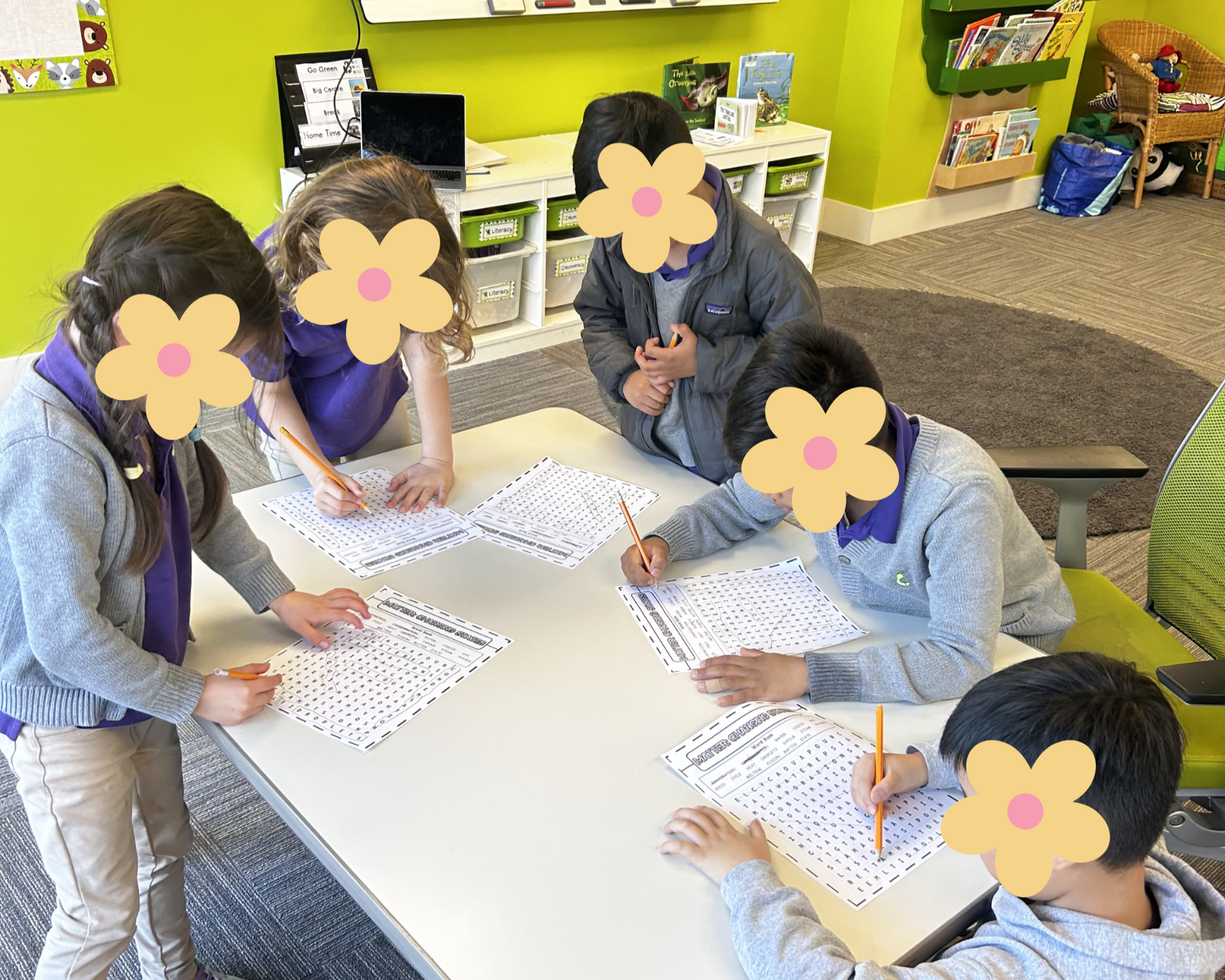
Each class combines a science concept with an interactive activity to help students connect ideas to real life.
What We Learned This Spring
Lesson 1: Crystallization — Making Sparkly Science
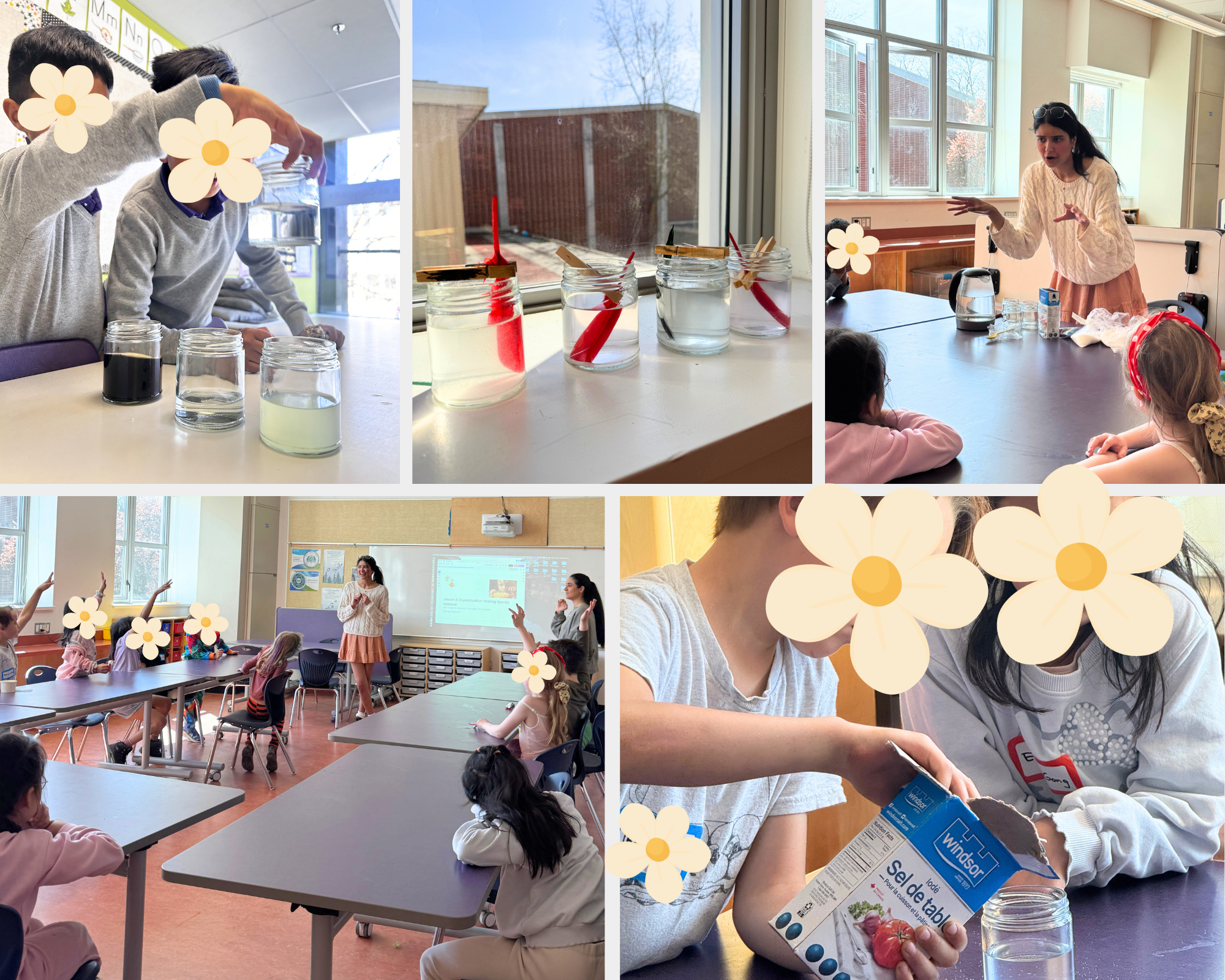
Students learned what crystals are and how they form when tiny particles line up in repeating patterns. We explored where crystals appear in real life, including rocks, snowflakes, salt, sugar, and gemstones. Through this lesson, children began to see how beautiful patterns in nature can be explained through science.
Lesson 2: Evaporation and Condensation
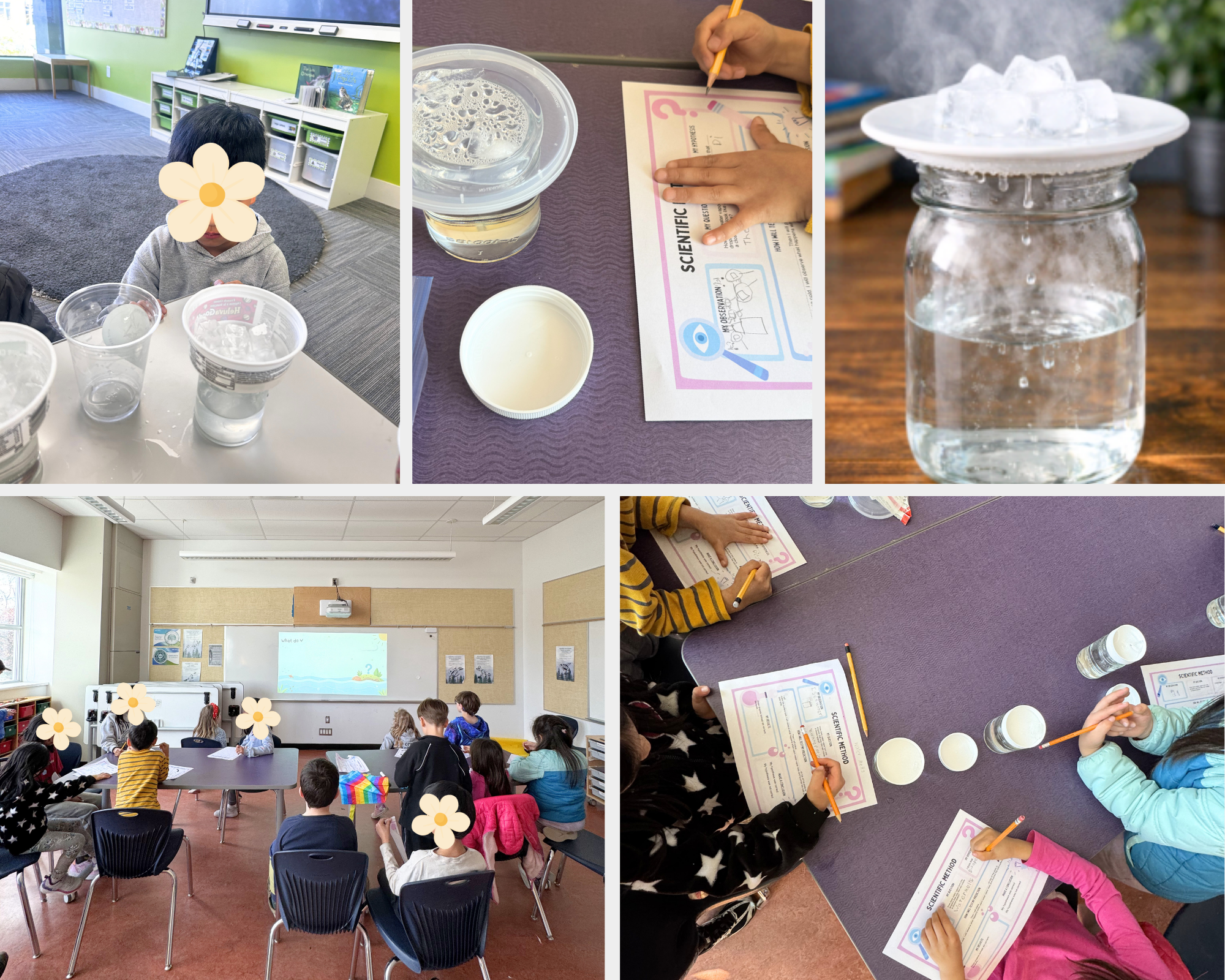
Students discovered how water can change form through a hands-on “Make Your Own Rain” experiment. Using hot water, a plate, and ice cubes, they observed how warm water vapor rises, cools down, and turns into tiny water droplets. We connected this to everyday examples, such as how puddles disappear on sunny days, why steam rises from hot soup, and why a cold glass can become wet on the outside. This helped students understand evaporation, condensation, clouds, and the beginning of the water cycle.
Lesson 3: Gravity and Newton’s Laws of Motion
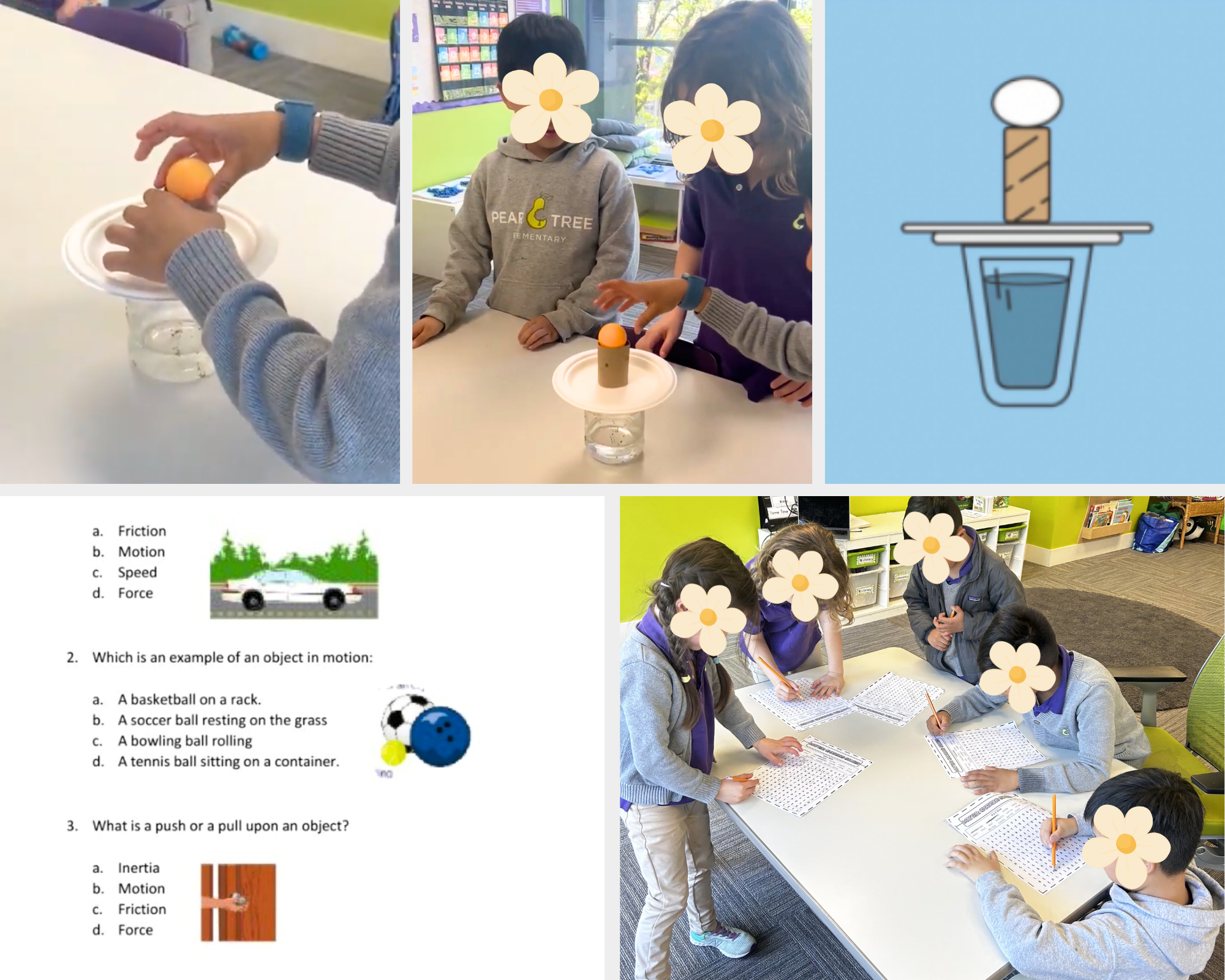
Students explored how gravity and force affect movement. They learned that gravity pulls objects toward the ground, while Newton’s Laws help explain why objects stay still, keep moving, or need more force to move. Through examples like falling apples, slides, bikes, and rolling balls, children connected science to everyday motion.
Lesson 4: Kinetic and Potential Energy
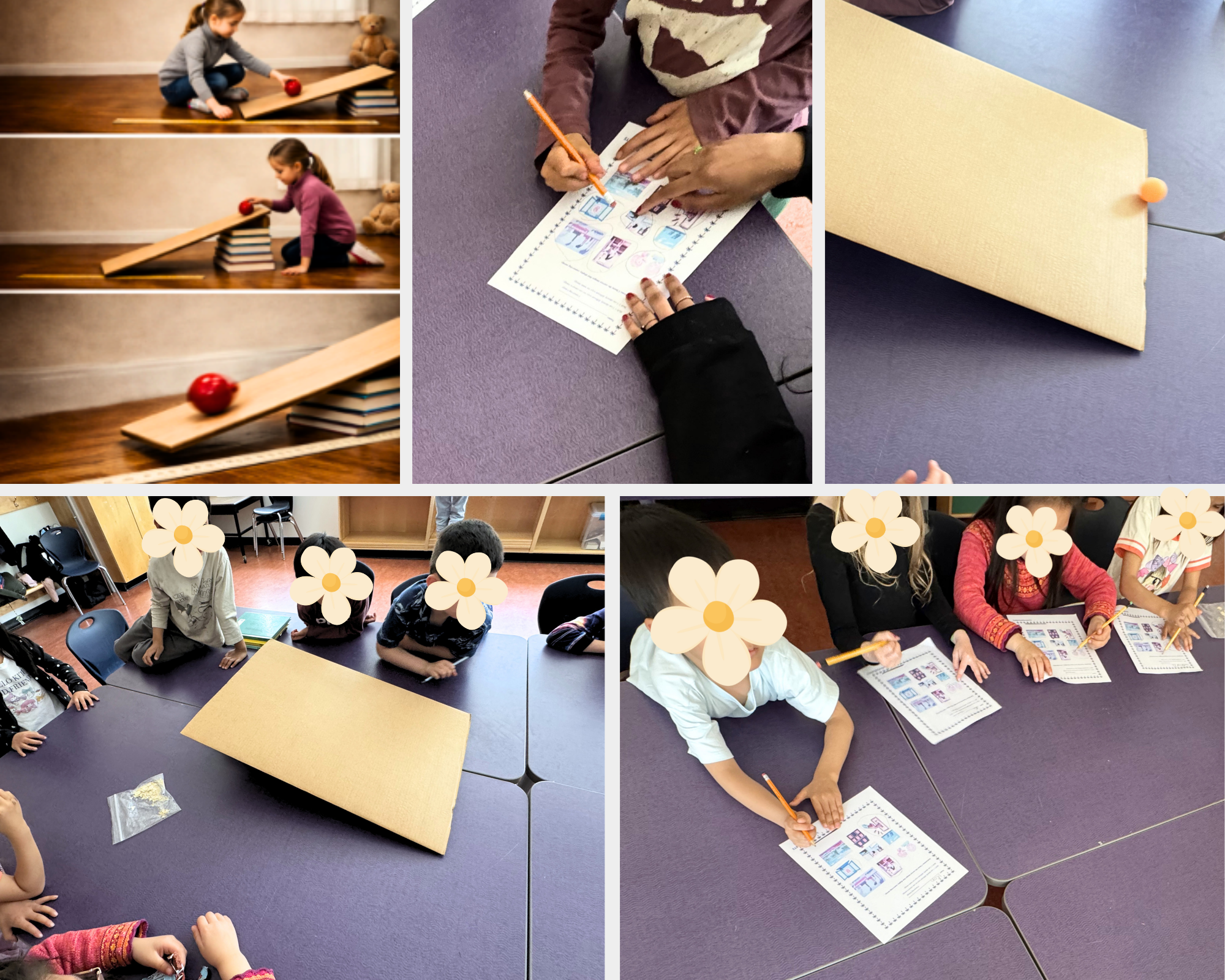
This lesson helped students understand that energy can be stored or in motion. A child at the top of a slide, an apple on a tree, or a stretched rubber band all have potential energy. When movement begins, that energy becomes kinetic energy. Students learned how energy changes form during everyday actions.
Lesson 5: Light and Reflection
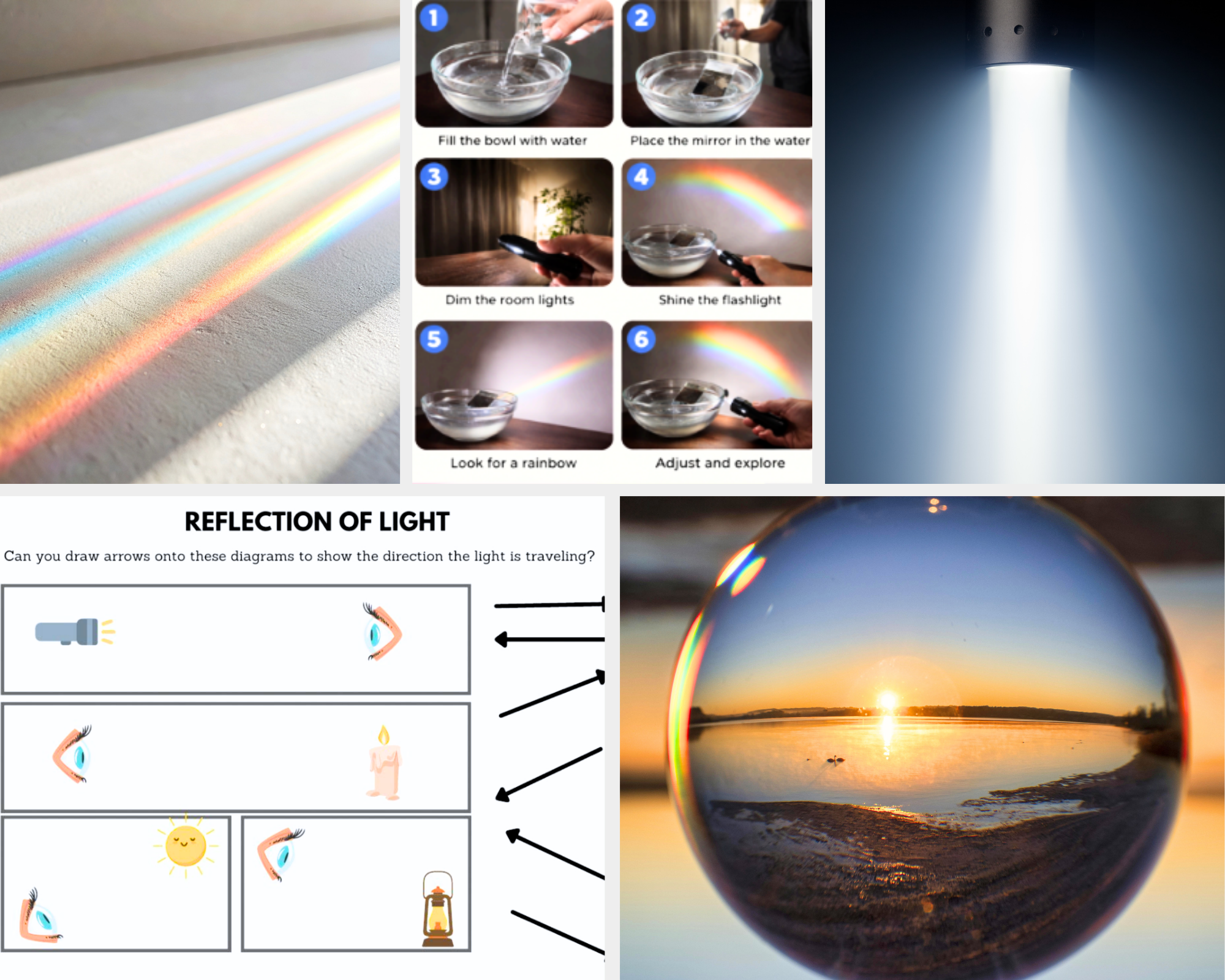
Students explored how light helps us see, how it travels in straight lines, and how it reflects off shiny surfaces like mirrors, water, foil, and spoons. They also learned about transparent, translucent, and opaque materials, as well as how light can split into rainbow colors.
Lesson 6: The Circulatory System
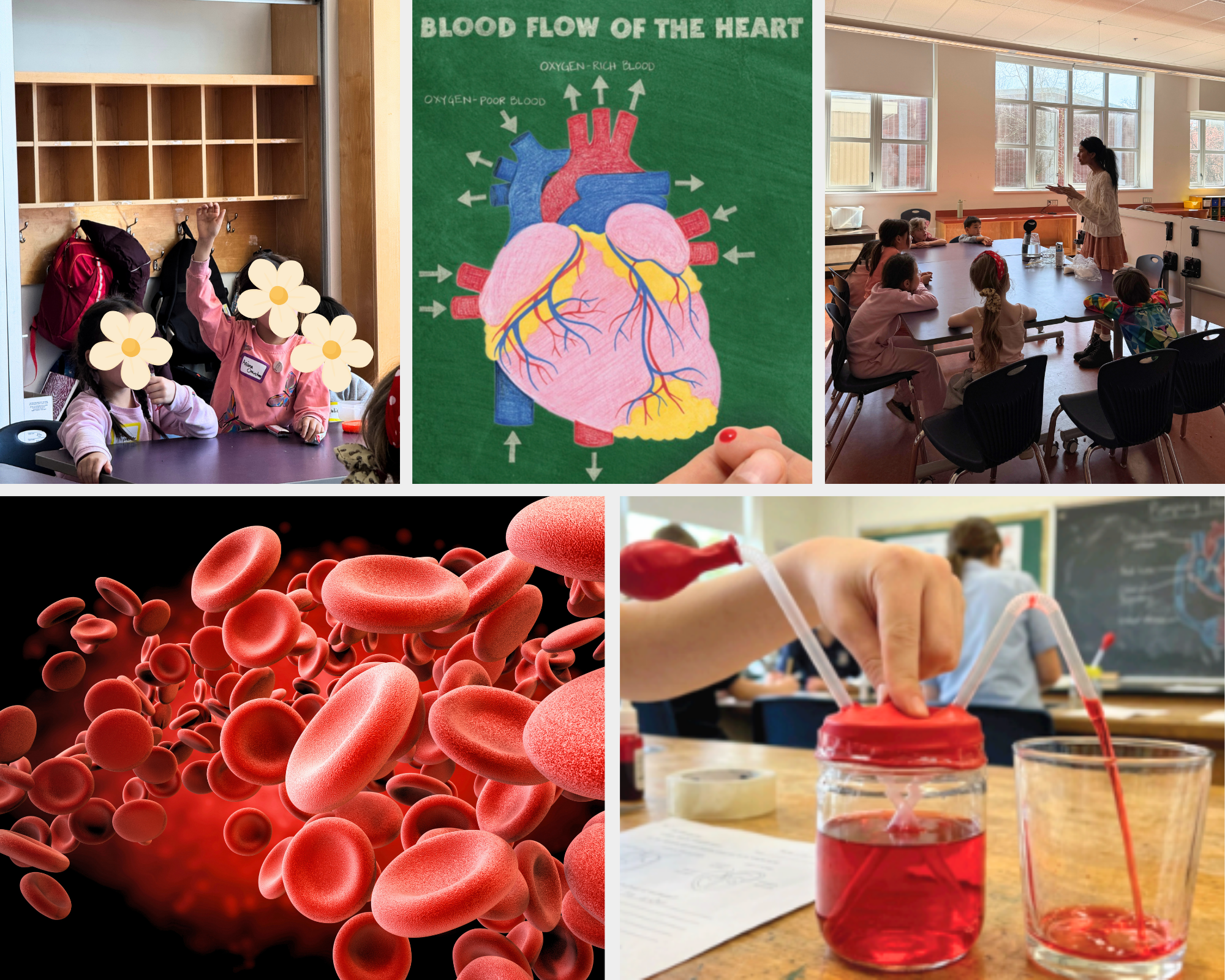
Students learned how the heart, blood, and blood vessels work together like a delivery system inside the body. They explored how blood carries oxygen and nutrients, how the heart pumps nonstop, and why our heartbeat changes when we run, jump, or rest.
Lesson 7: The Respiratory System
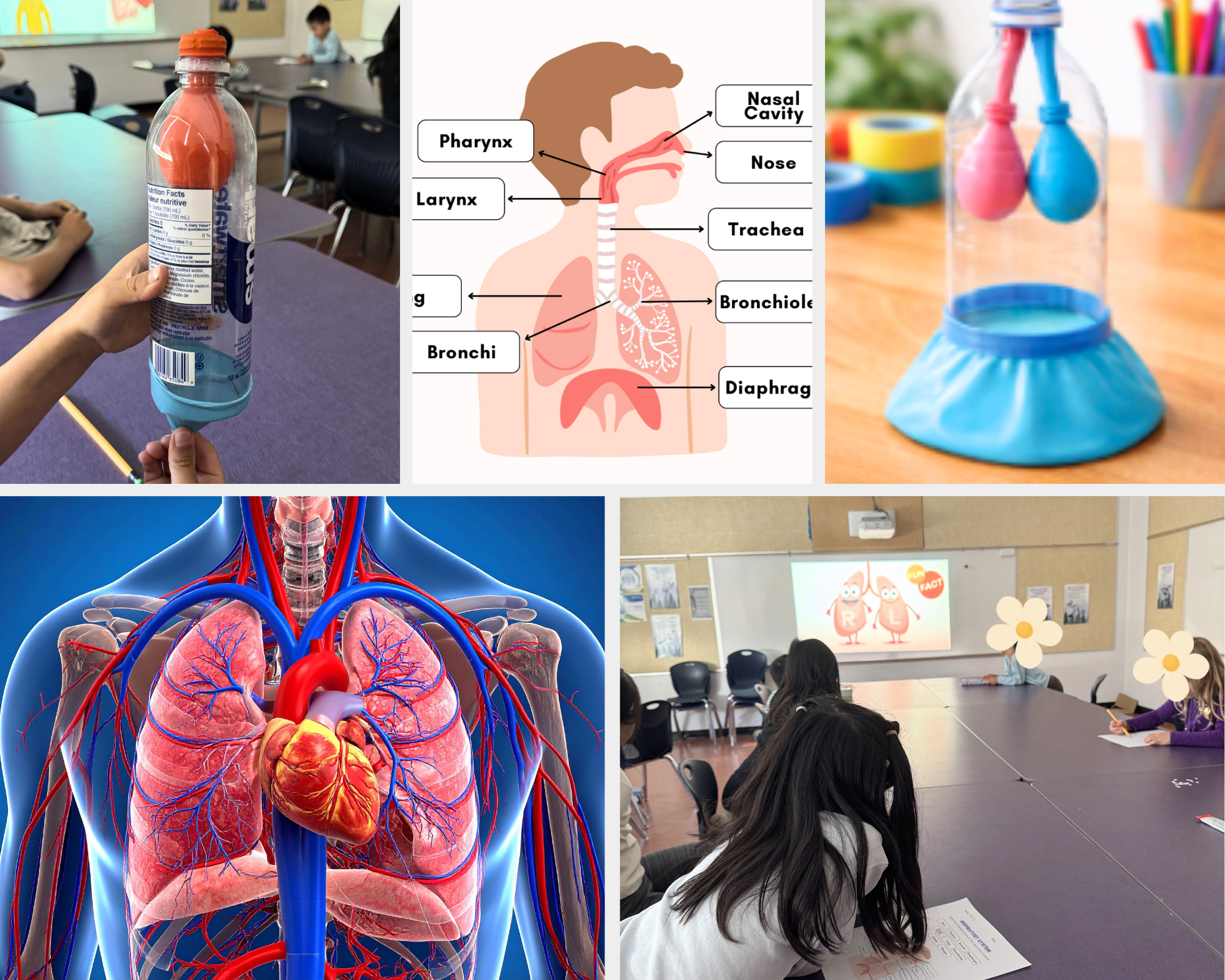
Students discovered how breathing works and why oxygen is important. We followed the path of air through the nose or mouth, down the windpipe, and into the lungs. Students also learned how the body breathes out carbon dioxide and how the nose helps clean and warm the air.
Lesson 8: The Digestive System
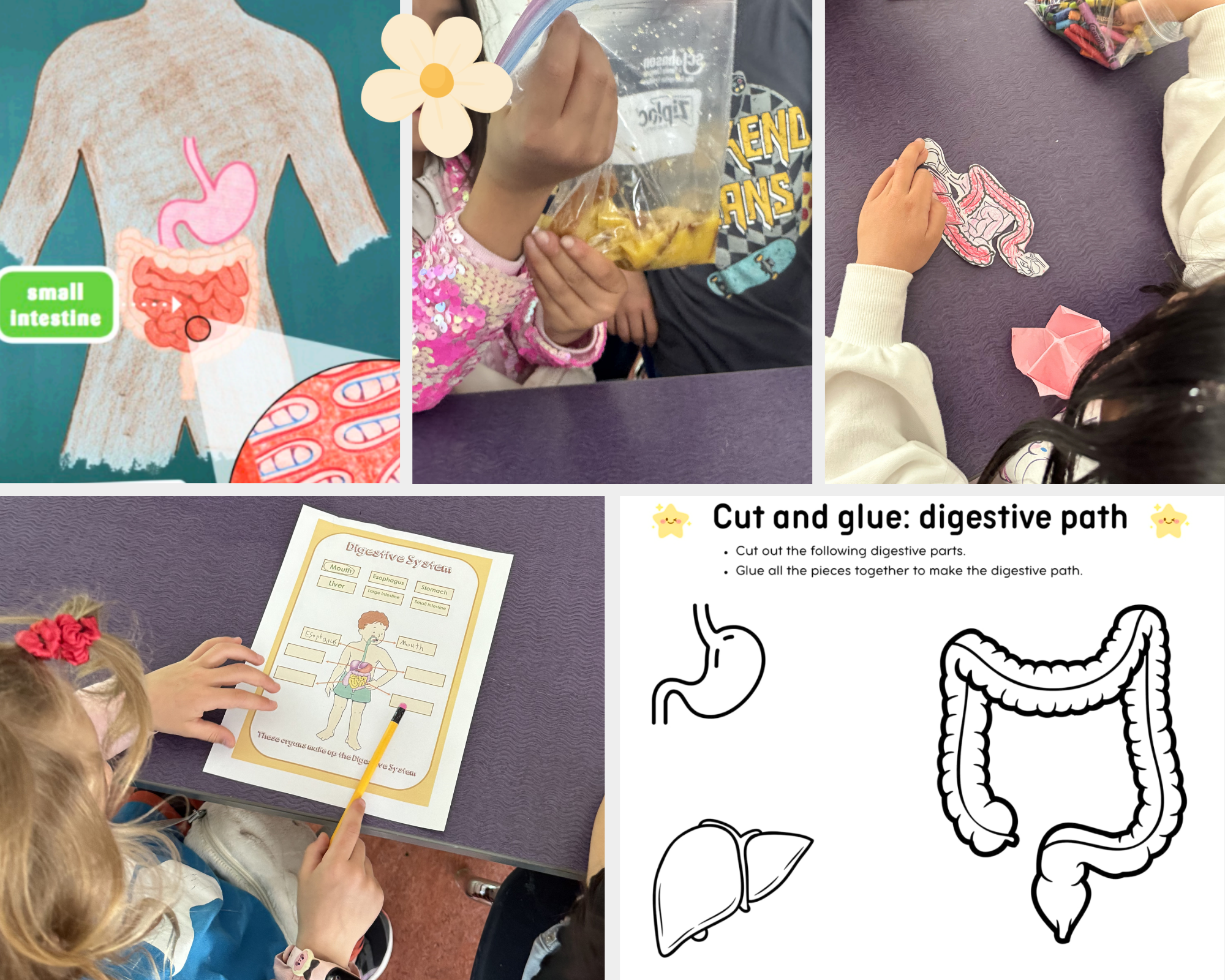
Students went on a journey through the body to understand what happens after we eat. They learned how the mouth, teeth, tongue, saliva, stomach, and intestines work together to break down food and turn it into energy for growing, moving, and playing.
Lesson 9: Rocks, Minerals, and the Rock Cycle
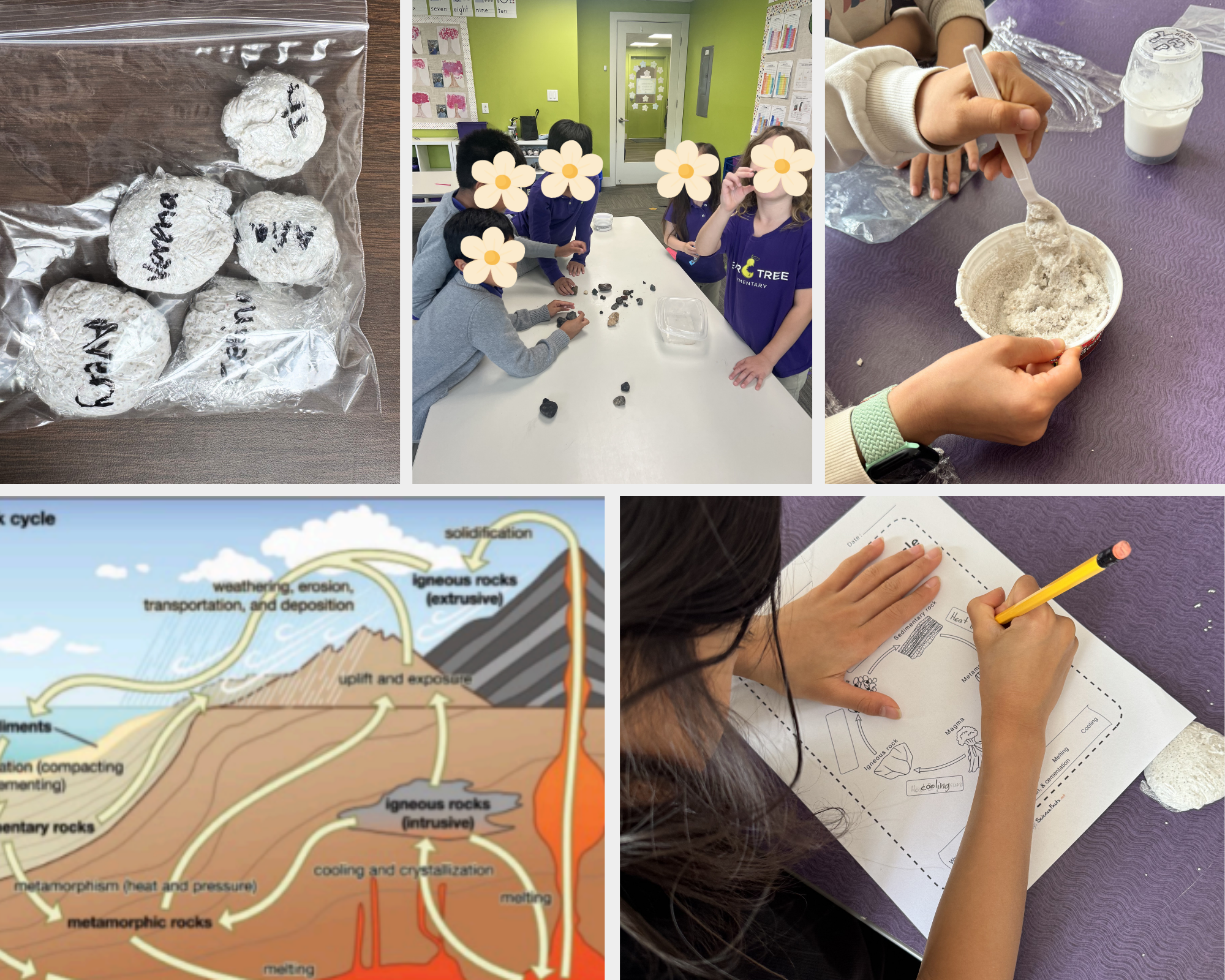
Students learned about the three main types of rocks: igneous, sedimentary, and metamorphic. They explored how rocks can change over millions of years through heat, pressure, weathering, melting, and layering. We also introduced minerals and discussed how rocks are made of different mineral combinations.
Lesson 10: The Water Cycle
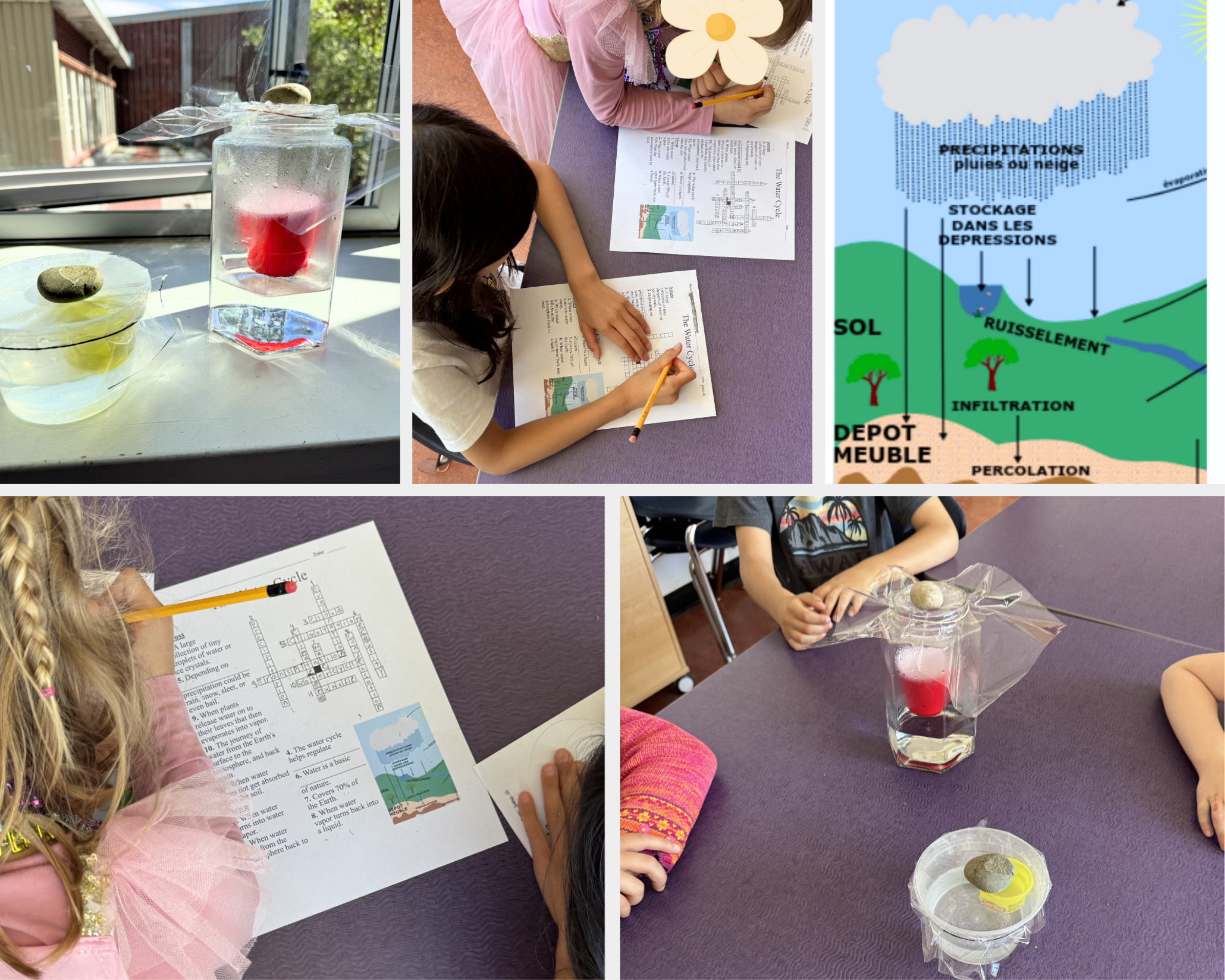
To close the semester, students explored how water travels around Earth. They learned about evaporation, condensation, precipitation, and collection. This lesson helped students connect earlier topics — such as clouds, rain, condensation, and gravity — into one complete Earth science cycle.
Lesson 11: The Solar System
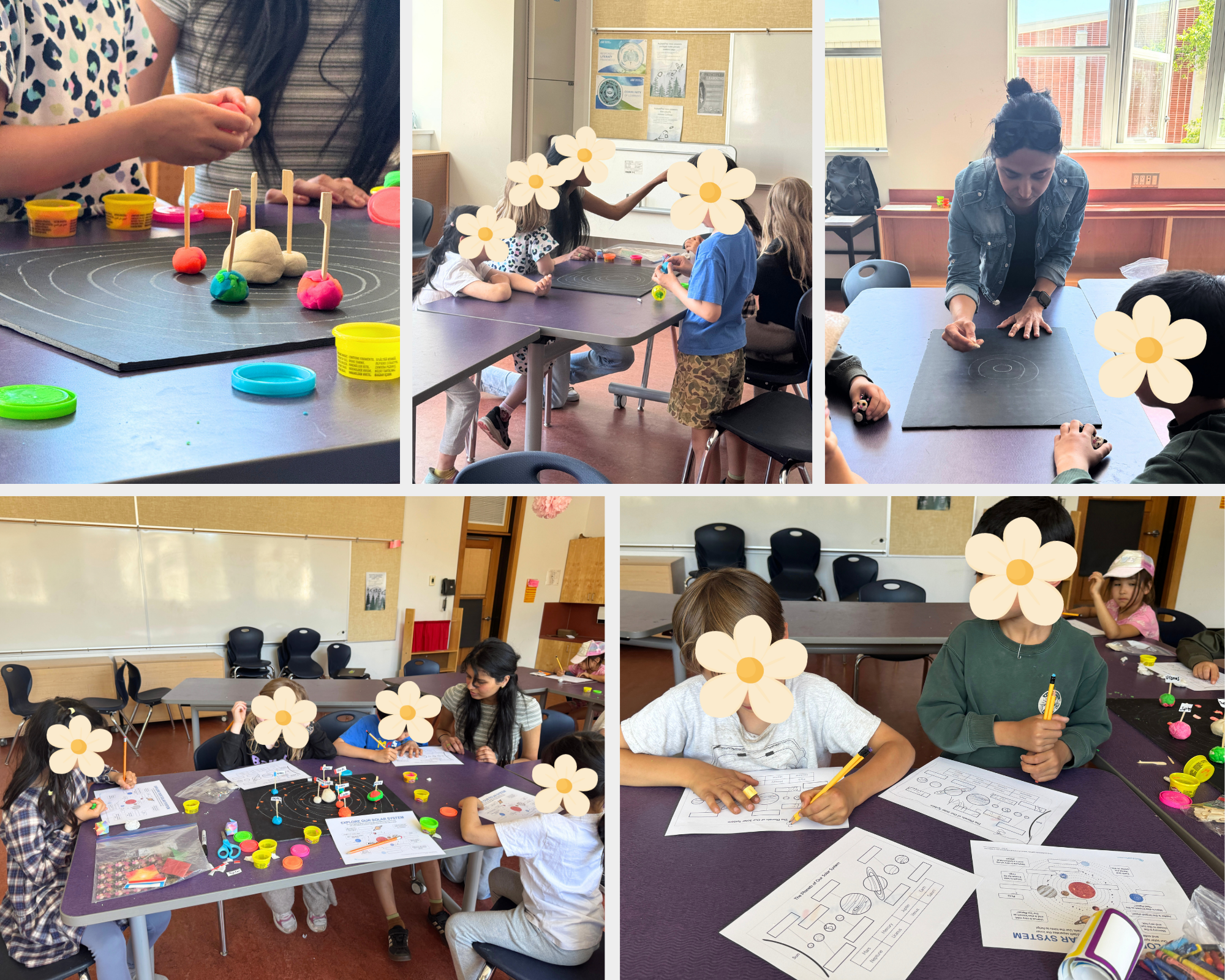
Students learned about the Sun, the eight planets, moons, asteroids, and comets that make up our solar system. They explored how gravity keeps planets moving around the Sun and compared rocky planets with gas giants. Through a hands-on orbit model, students gained a clearer understanding of how the solar system is organized.
Bringing Science to More Schools
This spring, LWL hosted our Science & STEM Lab as an off-site afterschool program at different school locations. We are proud to bring hands-on STEM learning directly to students in a familiar school environment.
If you would like LWL to bring an off-site science or STEM afterschool program to your school, please contact us. We would be happy to discuss program options, schedules, and how we can support your school community.
Interested in bringing LWL Science & STEM Lab to your school?
Contact us to learn more about our off-site afterschool programs, or visit our Curious Science & STEM Lab course page for more program details.