After School Programs in Richmond for Kindergarten to Grade 3: A Parent’s Guide
3:00 pm hits, and the school day is over — but the workday isn't. So the real question isn't just who watches your child until pickup. It's whether they're safe, supported, and doing something worth their time.
K-Grade 3 is when kids build reading fluency, writing confidence, math foundations, independence, friendships, and classroom habits. A good after-school program doesn't add pressure. But it should offer more than a waiting room.
Here's what to check before you enroll.
Why Primary-Level Support Matters
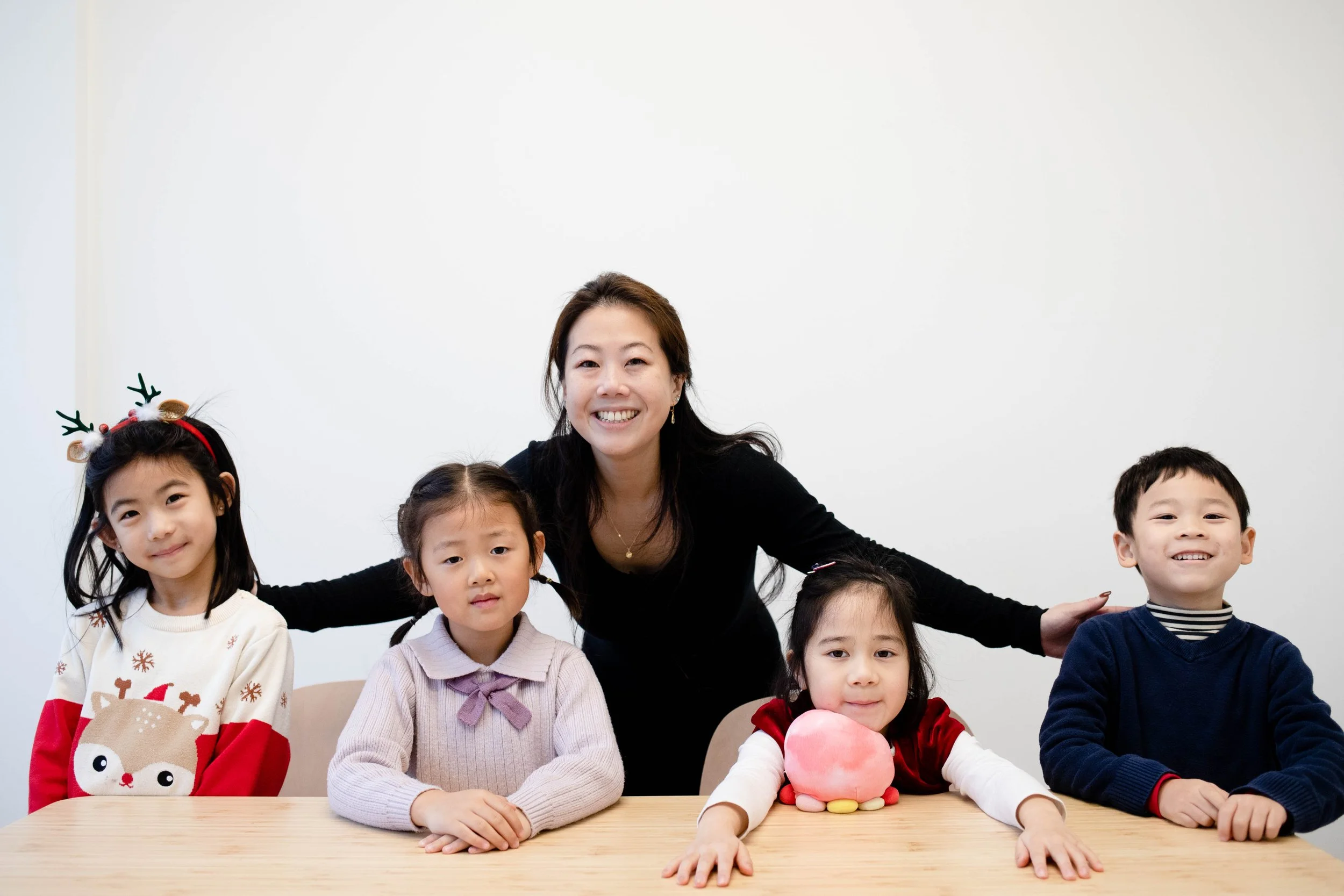
K–Grade 3 is the primary stage of elementary school, and it plays by different rules than Grade 4 and up. These kids are still building the basics — reading, writing, counting, following routines, managing transitions, expressing ideas, getting more independent.
Most primary students spend the day with one teacher, one routine, one rhythm. After school, they still need that rhythm. Not pressure — structure.
Kindergarten — learning to listen, follow directions, recognize letters and sounds, build early language, play with others.
Grade 1 — reading simple texts, writing sentences, managing transitions, following multi-step instructions.
Grade 2 — longer passages, harder spelling, explaining math thinking, writing more clearly, participating more.
Grade 3 — this is where gaps start to show. Some kids lose confidence in reading, writing, or math. Others are ready for more and need the right environment to stay curious.
Afternoons don't need to become a second school day — kids still need to eat, rest, move, and reset. But with the right structure, those hours build skills gradually. The goal isn't pushing ahead too fast. It's strengthening the base before expectations climb.
Care, Tutoring, or Enrichment? Know the Difference
Not every after-school program does the same job.
After-school care is mainly supervision — a safe place until pickup. Tutoring focuses on homework help, test prep, or specific subjects. Enrichment goes further: structured opportunities to learn, explore, create, and build confidence outside the regular classroom.
For K-Grade 3 kids, enrichment matters because they're still figuring out how they learn best. One needs stronger phonics. Another needs confidence speaking up. Another thrives with hands-on STEM. Another needs art or storytelling to find their voice.
Before enrolling, ask:
Is this mainly supervision?
Mainly homework help?
Does it include structured enrichment?
Are the activities actually age-appropriate for K-Grade 3?
Will my child be learning, or just passing time?
At LWL, after-school enrichment spans literacy, STEM, math, communication, storytelling, art, and language — so families can choose based on what their child actually needs, not just what's available.
The Right Mix: Phonics, STEM, Math, Communication, and Creativity
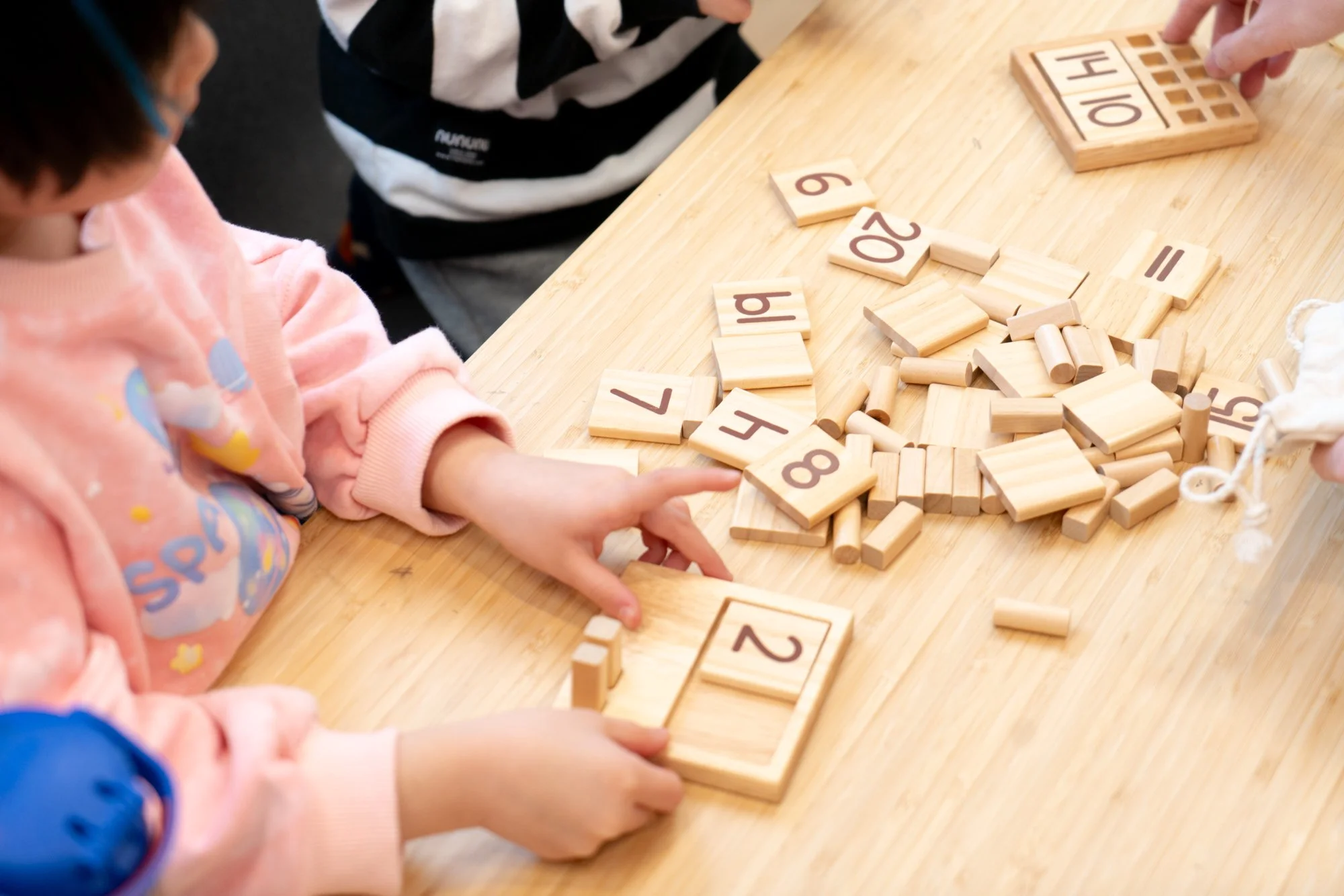
A strong program covers more than one area. Young learners need both foundational skills and creative room to explore.
Literacy and Storytelling
Literacy is one of the most important areas to support after school. Check whether the program builds reading, spelling, vocabulary, sentence structure, and storytelling — because plenty of kids can read the words and still struggle to explain an idea or write with confidence.
LWL's Phonics & Spelling builds the word-level foundations early readers need — sound-letter connections, spelling patterns, decoding. For kids who love imagination and characters, Early Storytelling & Storybook Makers turns language learning into something active instead of another worksheet. For older or more advanced students, Novel Study & Writing Fundamentals deepens comprehension and writing.
STEM and Curiosity
K– Grade 3 kids ask “why” constantly. A good STEM program shouldn't be worksheet-heavy — it should let them observe, test, build, compare, question.
Curious Science & STEM Lab gives young learners a hands-on space to explore. The goal isn't memorizing terms. It's building curiosity and problem-solving habits.
Math Confidence
Math support at this age is about confidence, not pressure. Kids need to understand numbers, patterns, operations, and logic — not just memorize procedures they'll panic over later.
Math Fundamentals & Intro to Economics builds number sense while connecting math to real life, not just worksheets.
Communication and Public Speaking
Some kids have plenty of ideas but hesitate to share them. Some talk easily at home and go quiet in class. Some are still building English confidence.
Confident Communication & Public Speaking gives kids repeated, low-pressure chances to practice speaking and listening — not a performance they're not ready for.
Creative Expression
After a full school day, kids need room to create. Art builds focus, imagination, and — for some kids — a bridge to language: draw the idea first, explain it after.
Fine Art Studio: Art, Stories & Culture pairs creative expression with narrative thinking, especially useful for visual learners.
The real question isn't how many activities a program offers. It's whether the program supports more than one side of your child's development.
What Does a Typical Afternoon Actually Look Like?
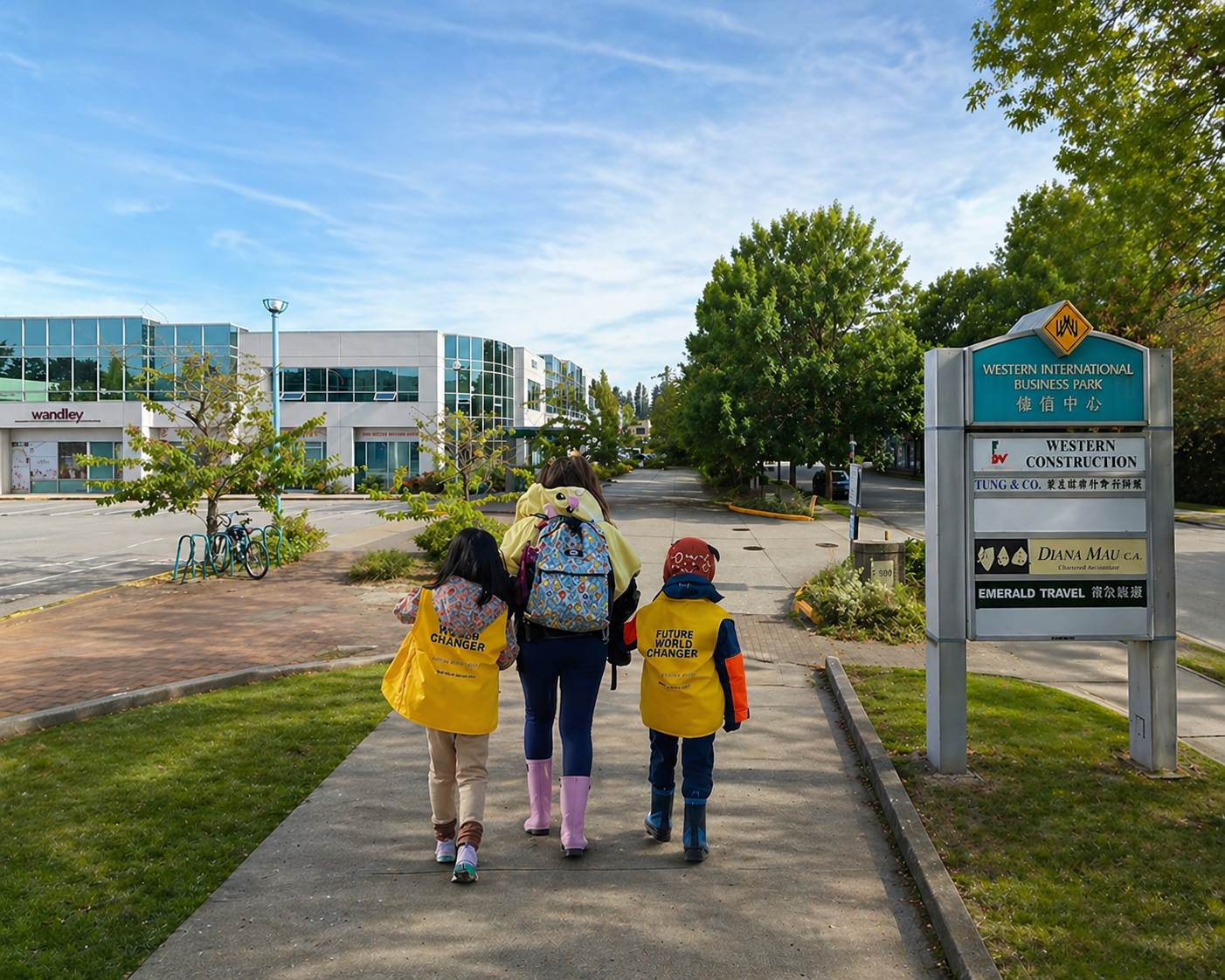
Ask this directly. A program can sound great on paper and still run chaotic in practice.
A strong routine usually includes:
School pickup or arrival
Snack and transition time
Homework or reading support
Enrichment course time
Small-group activities
Creative or hands-on learning
Parent pickup
Rhythm matters. Kids should know what to expect, and teachers should have time to notice how each child is doing. A Kindergarten student may need more time to settle. A Grade 1 student may need help building independence. A Grade 2 student may need reminders to organize and finish homework. A Grade 3 student may be ready for more responsibility but still needs guidance.
Ask directly: "What does a regular afternoon look like for a K–Grade 3 student?" A vague answer is a red flag.
Group Size, Teacher Attention, and Fit
The best program isn't the one with the longest activity list. It's the one where adults actually notice your kid.
K–Grade 3 kids are still developing self-awareness and emotional regulation. They don't always know how to ask for help. Some struggle quietly. Some get distracted. Some need encouragement before they'll participate. Some need more challenges.
Ask:
How many students per group?
Will teachers notice if my child is confused, tired, or withdrawn?
How is a shy child supported? An active one?
Will I get progress updates?
A shy child might do better starting with storytelling or art before public speaking. A curious child might thrive in STEM. A child low on reading confidence might need phonics support first.
For Richmond families, this matters even more — many kids grow up multilingual, strong thinkers who need more time to express themselves in English, or who'd benefit from added language exposure through Early French or IB Chinese Foundations.
A good program sees your child clearly. It doesn't just slot them into a schedule.
Richmond Logistics: Pickup, Location, Schedule, Cost
Even the best program falls apart if the logistics don't fit your family.
Before enrolling, check:
Is the location convenient for your child’s school or your commute?
Does the program offer school pickup?
What happens between school dismissal and arrival at the centre?
What time does the program end?
Are flexible day options available?
Is Fall registration open?
What is included in the fee — are materials, pickup, or enrichment classes included?
Cost only means something in context. A lower-cost program may focus mainly on supervision, while a higher-value program may include structured learning, smaller groups, school pickup, and enrichment.
Bottom line: choose a program that works for your child’s needs and your family’s actual weekday schedule.
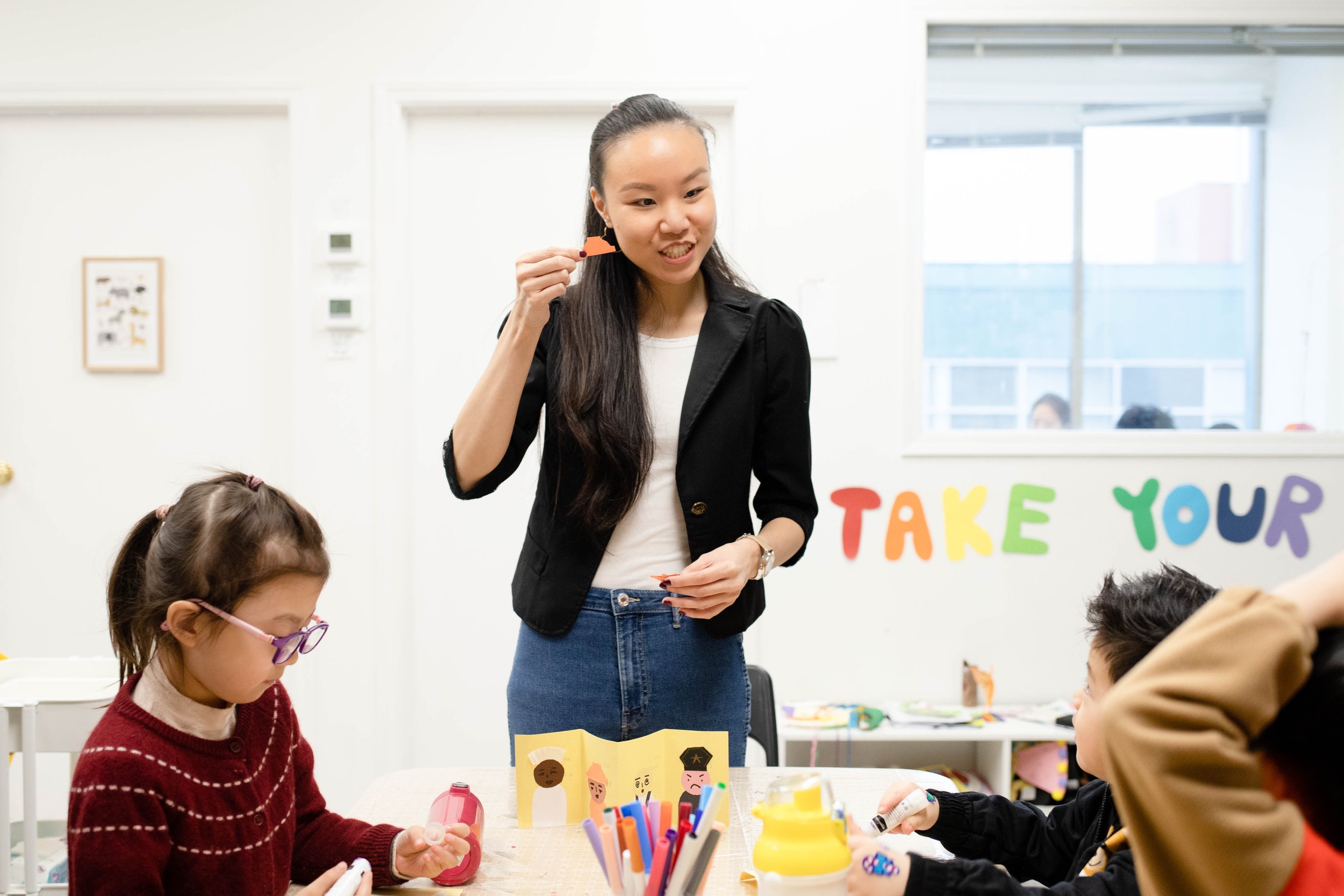
How LWL Supports K–Grade 3 Students After School in Richmond
LWL's Richmond after-school program is built for families who want more than basic supervision. Depending on age, readiness, and level, LWL's K–Grade 3 after-school enrichment may include:
Foundational Skills
Curiosity and Creativity
Confidence and Communication
Language Enrichment
IB Chinese Foundations
The question isn't just where your child goes after school. It's what kind of growth happens during those hours.
Looking for a Kindergarten to Grade 3 after-school program in Richmond that goes beyond supervision? Contact LWL to learn about Fall schedule options, school pickup availability, and enrichment course selection.
Final Thoughts
Choosing an after-school program for a child in Kindergarten to Grade 3 is not just a childcare decision. It is also a decision about learning, confidence, and how your child’s afternoons are structured.
The right program keeps your child safe and helps them grow — structure without pressure, support without overwhelm. For Richmond families, that means finding the program that fits your child's stage, personality, and daily routine.
At LWL, after-school enrichment is built to help young learners find their footing, explore new ideas, and grow with confidence — one afternoon at a time.