
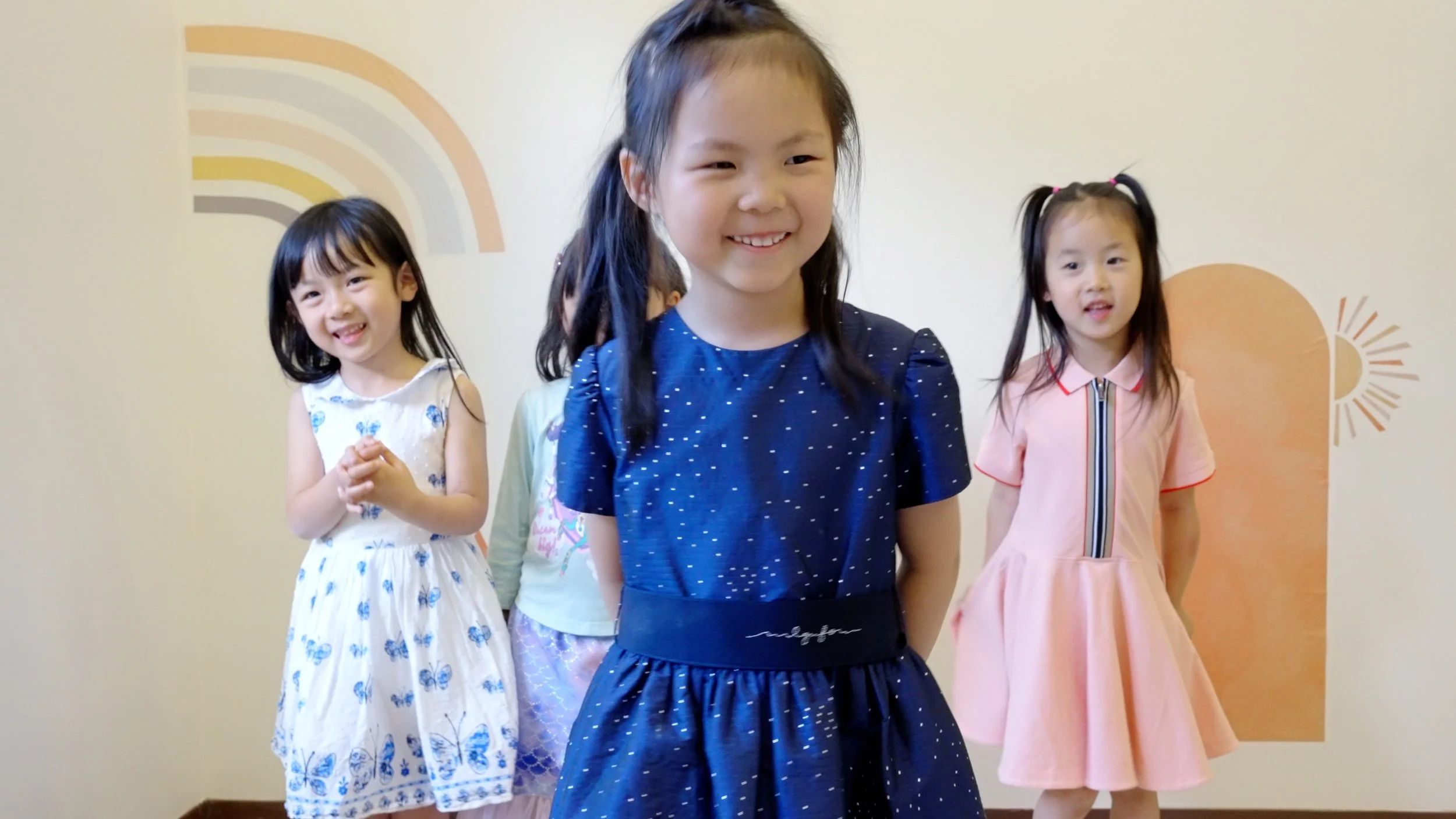
Public speaking for kids isn't about stage performances. It begins the moment your child learns to share what they already know — and why that moment matters more than most parents realise.
Your child can explain it at home. They understand the lesson, hold a thoughtful opinion, and sometimes come out with ideas that genuinely surprise you.
But when the teacher asks a question, they go quiet. They look down. They wait for someone else.
This pattern worries parents — not because quiet children are incapable, but because staying silent means their teachers, classmates, and even they themselves may never fully see what they can do.
Confidence isn't built by telling a child to "just speak louder." It's built when they get repeated chances to speak, make small mistakes, try again, and realise their voice is safe to use.
Why Some Children Stay Quiet Even When They Know the Answer
Understanding a concept and being able to express it out loud are two different skills. Some children freeze when all eyes are on them. Others can explain their thinking one-on-one but not in a group. Many worry that a single mistake will be noticed by everyone.
For children learning in an English-speaking classroom, the gap can feel even wider. They may follow the lesson perfectly but hesitate to speak in complete sentences in front of peers.
Staying quiet is rarely a knowledge problem. More often, it's a communication problem.
Public Speaking Happens in Small Moments — Not Just on Stage
Many parents picture public speaking as a formal speech or school assembly. But for children, it shows up in everyday interactions: answering a question in class, explaining why they chose an answer, reading aloud, asking for help, joining a group discussion.
These moments seem small. They aren't. Each one is a chance to practise thinking clearly, finding the right words, and trusting their own voice.
5 Habits that Build Speaking Confidence at Home
Start with one sentence: Before asking for a full explanation, invite your child to say one complete thought.
Ask "why" and "how.": These questions push children to explain their thinking rather than give one-word answers.
Invite storytelling: Ask them to tell you about something that happened at school or a book they're reading.
Focus on clarity before volume: Loudness isn't the first step. Children need to know what they want to say before they can say it confidently.
Praise clear thinking: Try "I like how you explained that" instead of just "good job."
For many children, home practice alone isn't enough. Speaking to parents feels very different from speaking to teachers and peers. Regular, low-pressure opportunities outside the home can make a significant difference.
Why Waiting Until Presentation Day is Too Late
When a presentation is due, children face multiple demands at once: remembering content, standing in front of the class, managing nerves, and answering follow-up questions — all at the same time.
That's a lot to handle if speaking confidently isn't already a habit. Strong communication skills are built gradually: practising complete sentences, organising ideas, choosing better words, explaining opinions. When those habits are in place, presentations feel far less frightening.
What After-school Time Can Do that Classrooms Can't
After-school settings are often smaller and lower-pressure than the regular classroom. That matters, because communication confidence needs repetition in conditions where children feel safe enough to try.
A structured program gives children more chances to answer questions, discuss stories, share opinions, read aloud, and practise the small speaking moments that eventually make the bigger ones feel manageable.
Help Your Child Find Their Voice — Before They Need It
At LWL Education, our after-school program builds both academic and communication confidence through guided reading, discussion, writing, and idea sharing — in a structured setting where children feel supported enough to try.