
Preparing for Private School: 5 Skills Grades 4–7 Students Need to Thrive
For families considering private school, the decision is rarely only about admissions.
Parents are also asking whether a school will challenge their child academically, support them socially and provide the right environment for long-term growth.
For students in Grades 4–7, these questions are especially important. Children at this stage are expected to handle more demanding reading and writing, manage more of their own work and navigate increasingly complex peer relationships. Entering a new school can add another layer of adjustment.
This raises an important question:
Is your child ready not only to apply to private school, but also to thrive after entering a new academic environment?
Private-school readiness is not built through interview practice or SSAT preparation alone. It also depends on whether a child can understand challenging material, communicate ideas, manage responsibilities, respond to feedback and adapt when expectations change.
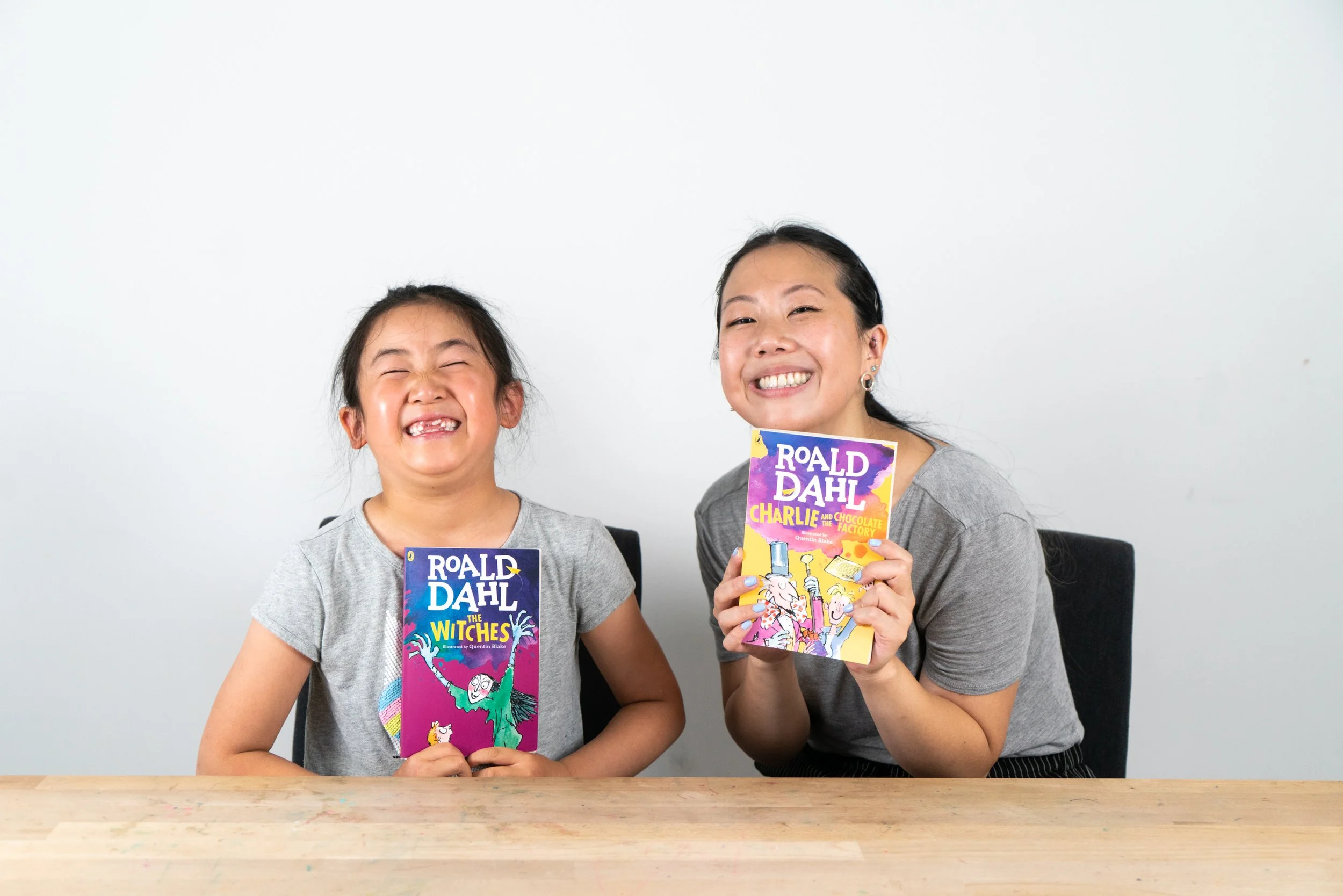
During Grades 4–7, students face greater academic, organizational and social expectations. For children preparing to enter a new private school, the following five skills can influence not only admissions readiness, but also how confidently they adapt and succeed after enrolment.
1. Reading and Thinking With Depth
A child can read every word on a page and still struggle to understand what the text really means.
In the earlier grades, reading success is often associated with fluency and recalling basic events. By Grades 4–7, students are expected to think beyond what is stated directly.
What students are expected to do
- Identify a main idea
- Interpret a character’s motivation
- Compare viewpoints
- Explain how evidence supports an answer
Consider a Grade 5 student who finishes every assigned novel but gives only a one-sentence response when asked why a character made an important decision.
The student may know what happened. The difficulty lies in explaining the thinking behind it.
- Rushing through passages
- Missing implied information
- Copying sentences directly instead of summarizing them
- Struggling to discuss the meaning of a chapter
- Finding it difficult to support an answer with evidence
The child may insist they understood the chapter but struggle to explain its deeper meaning.
Simply assigning more books may not solve the problem. Children also need opportunities to talk about what they read.
Try asking:
“Why do you think the character made that choice?”
“What detail supports your answer?”
“How might another character see the situation differently?”
The goal is not to turn every reading session into a quiz. It is to make deeper thinking a normal part of reading.
Why it matters
This matters in entrance assessments, written responses and interviews. It also affects how comfortably a student handles daily academic work after admission.
2. Clear and Organized Writing
Many children have stronger ideas than their written work suggests.
By Grades 4–7, students move from short answers into structured paragraphs, summaries, reports and persuasive writing. They must understand the question, decide what information matters and present their ideas in a logical order.
What students are expected to do
- Understand what the question is asking
- Select relevant ideas and supporting details
- Organize information in a logical order
- Write clear paragraphs with a central idea
- Review and revise their work independently
Consider a Grade 6 student who contributes thoughtful ideas during a class discussion but produces a short or disconnected written response.
The student may understand the topic. The difficulty lies in organizing those ideas clearly for a reader.
- Beginning to write without planning
- Giving very short answers despite having more to say
- Repeating the same idea several times
- Moving between ideas without clear transitions
- Focusing on spelling while missing larger problems with meaning
A child may explain an idea clearly in conversation but struggle to communicate the same idea in writing.
Encourage the child to pause and organize their ideas before beginning a written response.
Try asking:
“What is the question asking you to explain?”
“What is your main idea?”
“Which example or detail supports that idea?”
“Does each sentence connect to the main point?”
The goal is not to produce writing that sounds adult or overly polished. It is to help the child communicate their own ideas clearly and independently.
Why it matters
Clear and organized writing matters in entrance assessments, written responses and regular academic work. Private schools may use a student’s writing to understand how they think, organize information and express ideas independently.
3. Confident Communication and Social Adaptability
Communication matters during a private-school interview, but its importance does not end when the application is submitted.
A student entering a new school may need to introduce themselves, join unfamiliar group discussions, ask a teacher for clarification and adjust to a different classroom culture.
What students are expected to do
- Listen carefully before responding
- Express ideas clearly and respectfully
- Ask questions when they need clarification
- Participate in discussions and group activities
- Adapt to unfamiliar people, routines and expectations
Consider a student who has prepared a polished answer for a private-school interview but becomes unsure when the interviewer asks the question in a different way.
The child may know what they want to say. The difficulty lies in organizing and expressing the idea naturally in the moment.
- Giving one-word answers to open-ended questions
- Relying heavily on memorized responses
- Avoiding questions when confused
- Struggling to explain an opinion or personal experience
- Finding it difficult to join group discussions
A quieter child does not necessarily lack communication skills. The concern is whether the child can make themselves understood and seek support when needed.
Rather than asking a child to memorize complete interview answers, help them practise listening, pausing and organizing their thoughts.
Try practising questions such as:
“What is something you enjoyed learning recently?”
“Tell me about a challenge you worked through.”
“What do you do when you do not understand something?”
“Can you give an example from your own experience?”
The goal is not to change a child’s personality. It is to help the child communicate naturally, confidently and respectfully.
Why it matters
Communication affects private-school interviews, classroom participation and social adjustment after admission. A child who can explain confusion, share an opinion and ask for help is better prepared to adapt to a new school environment.
4. Independence and Study Habits
A student can have strong grades and still struggle when expectations change.
Different schools may require children to manage longer assignments, move between subjects more independently and begin work without repeated reminders.
What students are expected to do
- Keep track of homework and deadlines
- Prepare the materials they need
- Begin tasks without constant prompting
- Break larger projects into manageable steps
- Review completed work before submitting it
Consider a student who understands the academic material but regularly forgets books, delays beginning homework or underestimates how long a project will take.
The difficulty may not be academic ability. The student may not yet have developed a reliable system for managing responsibilities.
- Needing repeated reminders to begin work
- Forgetting books, assignments or materials
- Leaving long-term projects until the last minute
- Completing work quickly without checking it
- Becoming overwhelmed by tasks with several steps
These behaviours may look like carelessness, but they can also indicate that the child needs a clearer routine and planning system.
Independence develops gradually through consistent routines rather than through removing all adult support at once.
Try asking:
“What is the first thing you need to do?”
“What materials will you need?”
“How can you divide this project into smaller steps?”
“How will you know when the work is complete?”
The goal is to gradually shift the child from waiting for instructions to taking part in planning and managing their own work.
Why it matters
Strong study habits help students manage private-school expectations, longer assignments and greater academic independence. Reliable routines also give children something stable to rely on when entering a new school environment.
5. Resilience and Willingness to Learn
Private-school applications and school transitions both involve uncertainty.
A child may find an assessment difficult, receive disappointing feedback or need time to feel comfortable in a new classroom. Resilience does not mean that a child never feels frustrated.
What students are expected to do
- Continue after making a mistake
- Accept constructive feedback
- Try a different strategy when the first approach does not work
- Ask for support without giving up responsibility
- View improvement as a gradual process
Consider a student whose first math strategy does not work or whose written response needs significant revision.
The challenge is not avoiding frustration. It is learning how to pause, adjust and try again without treating the difficulty as proof that they are incapable.
- Giving up quickly when work feels difficult
- Avoiding tasks after making a mistake
- Taking feedback as a personal criticism
- Expecting an adult to solve every problem
- Assuming one poor result means they are not capable
A child may need support learning that difficulty is a normal part of learning rather than evidence that they do not belong.
Children need support, but they also need enough space to think, try and adjust before an adult solves the problem for them.
Try asking:
“What did you learn from that attempt?”
“What could you try differently next time?”
“Which part is difficult, and which part can you do independently?”
“What feedback could help you improve this?”
The goal is not to remove every difficult experience. It is to help the child develop the confidence and strategies to move through challenges.
Why it matters
Resilience and willingness to learn help students manage assessments, feedback, challenging academics and the social adjustment of entering a new school. A child who can reflect and try again is better prepared for long-term success.
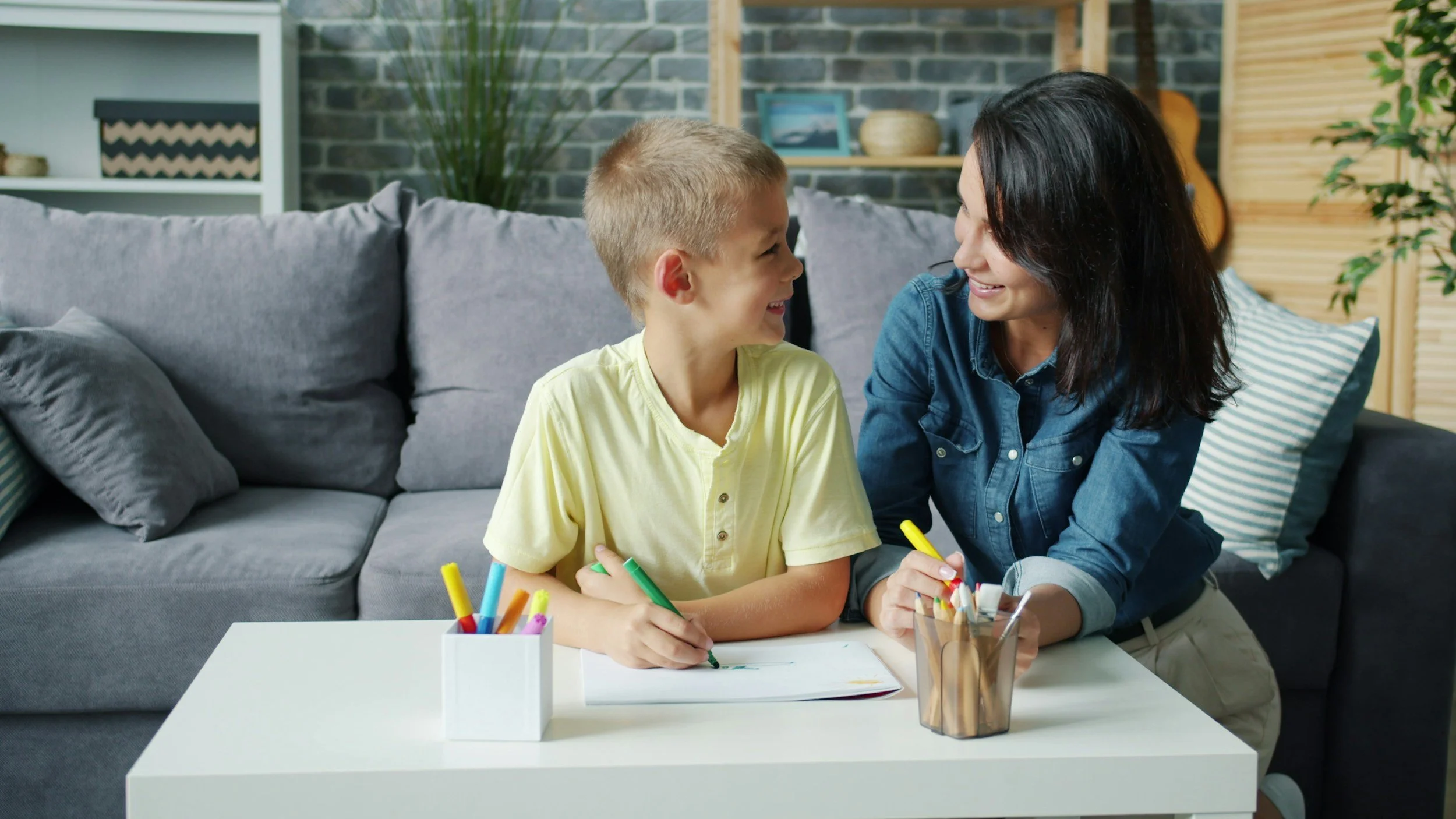
What Do Private Schools Look For Beyond Grades?
Admissions processes vary, but report cards and test scores rarely tell the whole story.
Schools may also consider how a student communicates, responds to questions, approaches learning and handles responsibility. Teacher recommendations, interviews and written responses can help reveal the child’s participation, interests, behaviour and willingness to improve.
Students do not need to appear highly accomplished in every area. A thoughtful, curious child who can discuss a genuine interest may leave a stronger impression than one giving perfectly rehearsed answers.
Because priorities differ by school, families should review each school’s admissions requirements and educational approach directly.
Readiness Works Both Ways
Building these five skills can help a child prepare for private school, but families should also consider whether the school is a good fit for the child.
Different students may need different levels of structure, flexibility, learning support or creative opportunities. Parents can ask about teaching style, class size, homework expectations, social environment and support for students entering in later grades.
Children in Grades 4–7 should also be included in the discussion. Their comfort and willingness to attend can affect how confidently they approach the transition.
The goal is not to prepare a child to fit into any school, but to find an environment where they can continue to grow.
Where Does SSAT Preparation Fit?
Some private schools require or accept the SSAT as part of the admissions process.
Focused preparation can help students become familiar with the test format, manage time and practise reading, vocabulary, quantitative reasoning and writing tasks.
However, test-taking strategies cannot replace the foundation underneath them.
A student with weak reading comprehension may learn how to eliminate an incorrect answer but still struggle to understand a complex passage. A child with limited writing experience may know the structure of the task but find it difficult to generate and organize ideas under time pressure.
SSAT preparation is most useful when it builds on academic skills that are already developing.
Not every private school requires the SSAT, so families should confirm the current requirements for each school and entry grade.
When Should Families Begin Preparing?
There is no single timeline for every family. Starting early does not mean years of intensive test preparation. It means identifying the child’s strengths, learning needs and preferred school environment before application pressure increases.
Families can first build regular reading, writing and study habits while observing how the child manages challenges, group communication and responsibility.
As the application year approaches, parents can research schools, attend tours and review admissions requirements. Interview practice, written responses and SSAT preparation can then be added when needed.
A gradual approach is usually more effective than trying to build several years of skills in a few months.
When the same challenge appears repeatedly across schoolwork, homework and conversations, more structured practice may help.
How a Structured After-School Program Can Help
A structured Grade 4–7 after-school program can support private-school readiness through regular reading discussions, writing practice, problem-solving, group communication and independent project work.
Because these skills develop through repetition, ongoing teacher feedback can also help families understand where a child is progressing and where additional support may be needed.
These skills remain valuable in any academic environment, even if the family does not ultimately apply to private school.
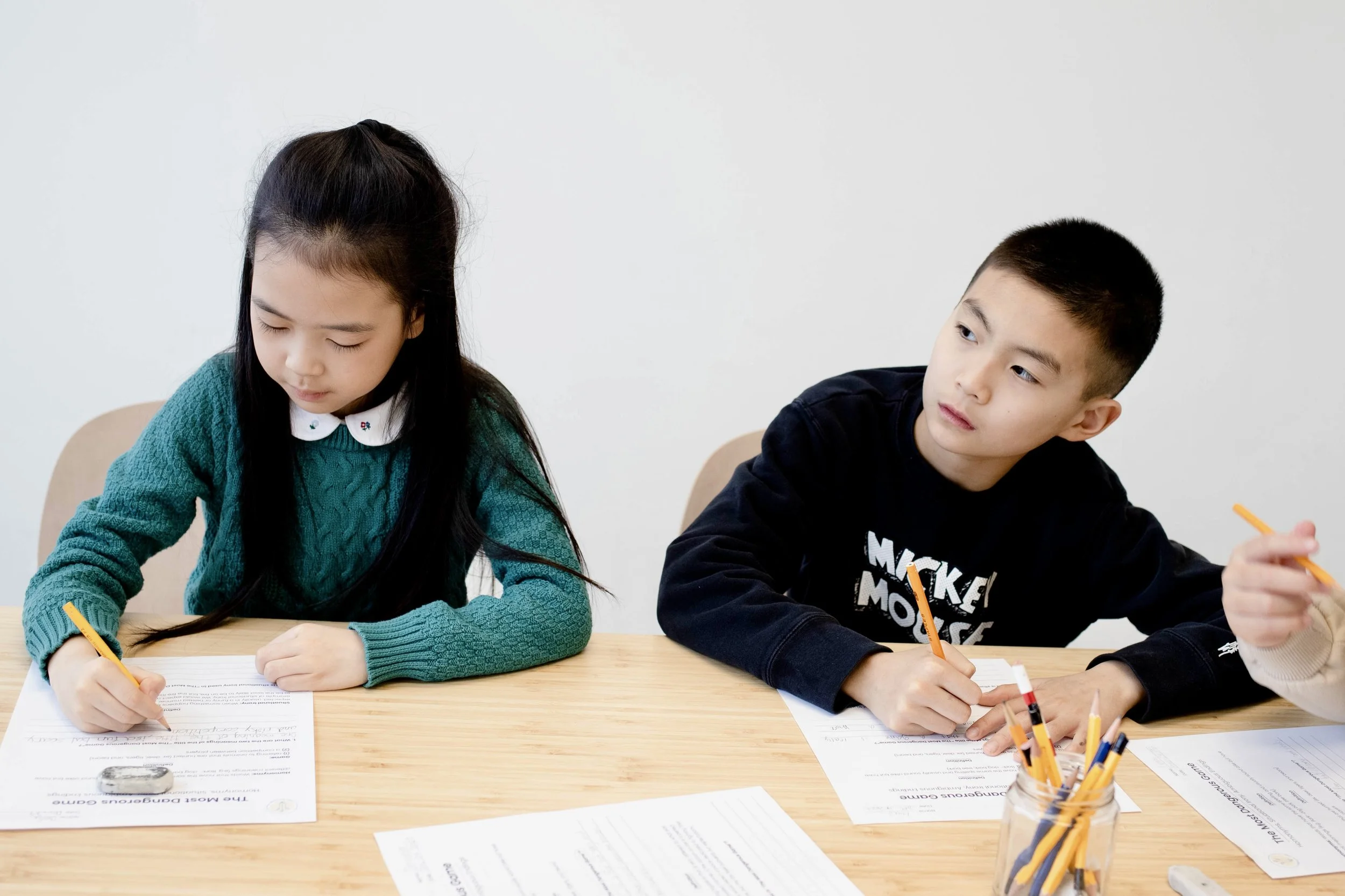
How LWL Education Supports Grades 4–7 Students
LWL Education offers structured enrichment programs for Grades 4–7 students in Richmond.
Through novel study and writing, mathematical reasoning, STEM projects, public speaking, languages and creative learning, students have regular opportunities to strengthen academic skills, communication, problem-solving and independent learning habits.
LWL Education’s after-school program may also include school pickup, movement activities and progress tracking, depending on registration and availability.
For families considering private-school applications, Strategic SSAT Preparation is available as a separate focused option when test-specific preparation is appropriate.
Build the Foundation Before the Pressure Increases
Private-school preparation is not only about completing an application. It is about helping a child become ready for more challenging academics, greater independence and a new social environment.
Building these skills gradually can reduce pressure and give families a clearer picture of where their child may need support.
Explore LWL Education’s Grade 4–7 programs or book a campus campus tour to discuss the most suitable next step for your child.